
Table of Contents
You planned to study. You had the time. You sat down and had nothing left.
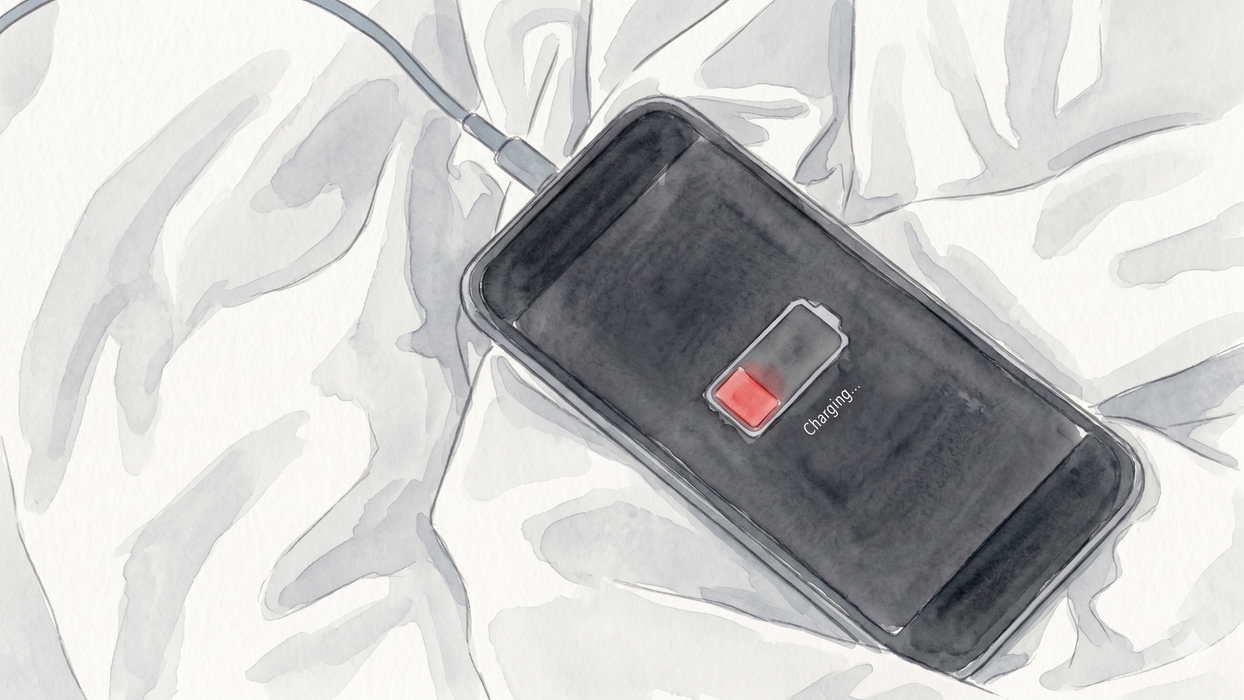
This isn't laziness. It's what happens when your energy budget runs out before your to-do list does. For neurodivergent learners, that budget is often smaller than others assume, and the things that drain it are not always obvious.
Energy accounting is a way of tracking that. It treats your daily energy as a finite resource, assigns a cost to the activities that spend it, and helps you make better decisions about how you allocate it.
Your energy doesn't just go on obvious things
Physical tiredness is easy to recognise. Cognitive and emotional tiredness is harder to see, but just as real.
For neurodivergent learners, the activities that drain energy most are often the ones that don't look demanding from the outside. Masking in a social situation. Switching between two subjects with nothing in common. Sitting in a loud place trying to filter out background noise. Processing a last-minute change. Keeping track of multiple deadlines simultaneously.
These aren't minor inconveniences. For many neurodivergent brains, they require sustained effort that neurotypical peers spend on almost nothing. By the time you sit down to study, you may have already spent most of what you had.
When the budget runs out completely, the result isn't just tiredness. It can be a shutdown or meltdown that appears to come from nowhere. It doesn't come from nowhere. It comes from a long series of smaller costs that were never accounted for.
Spoon Theory makes this concrete
You may have come across Spoon Theory, a framework created by Christine Miserandino to describe the limited energy available to people with chronic illnesses.
The idea is simple. You start the day with a fixed number of spoons. Every activity costs some. Getting up costs one. A difficult conversation costs more. Once they're gone, they're gone. You can borrow from tomorrow, but you pay for it.
For neurodivergent learners, this maps directly onto daily experience. The number of spoons varies day to day. Some activities cost far more than they appear to. Recovery takes spoons too.
Building your own energy budget
- Start by listing the activities that make up a typical day. Include studying, travel, social interactions, meals, and anything else that takes up time and effort.
- Assign each one a cost. Not a precise number, just a relative sense of how much it takes from you. Chatting to a friend or colleague may cost you two. A class or meeting where you're expected to contribute might cost six. A noisy commute might cost three.
- Then look at your day as a whole. Are you regularly scheduling more than you have? Are your highest-cost activities grouped together with no recovery time between them? Are you treating rest as something that happens when everything else is done, rather than something you plan for?
What restores energy looks different for everyone
Rest is not one thing. For some people it's sleep. For others it's movement, time outside, creative work, or deliberate solitude. For neurodivergent learners, the most restorative activities are often ones that remove demand entirely: no social performance, no sensory load, no decisions to make.
Identifying what actually restores your energy, rather than what you think should restore it, is part of building a system that works. If watching a familiar TV series for an hour genuinely recharges you, that is a legitimate recovery activity. Plan it in.
Low energy days are not failed days
The temptation when energy is low is to push through anyway, or to write the day off entirely. Both tend to make things worse.
A more useful approach is to scale down rather than stop. Switch to lower-cost study activities. Prioritise your health - drink, eat, wash. Then try the smallest version of the task rather than the full version.
Knowing your patterns changes how you plan
Over time, energy accounting becomes less effortful. You start to recognise your high-cost activities, your recovery needs, and the warning signs that your budget is running low before it empties completely.
That awareness lets you build a study schedule that reflects how your brain works, not just how many hours are available. You protect your high-energy windows for demanding work. You place lower-cost tasks around them. You build transitions in rather than expecting your brain to switch instantly.
It won't be perfect. Some days the budget is smaller than expected and the plan needs to change. The point is that you're working with accurate information about yourself, and making decisions based on that.