
Table of Contents
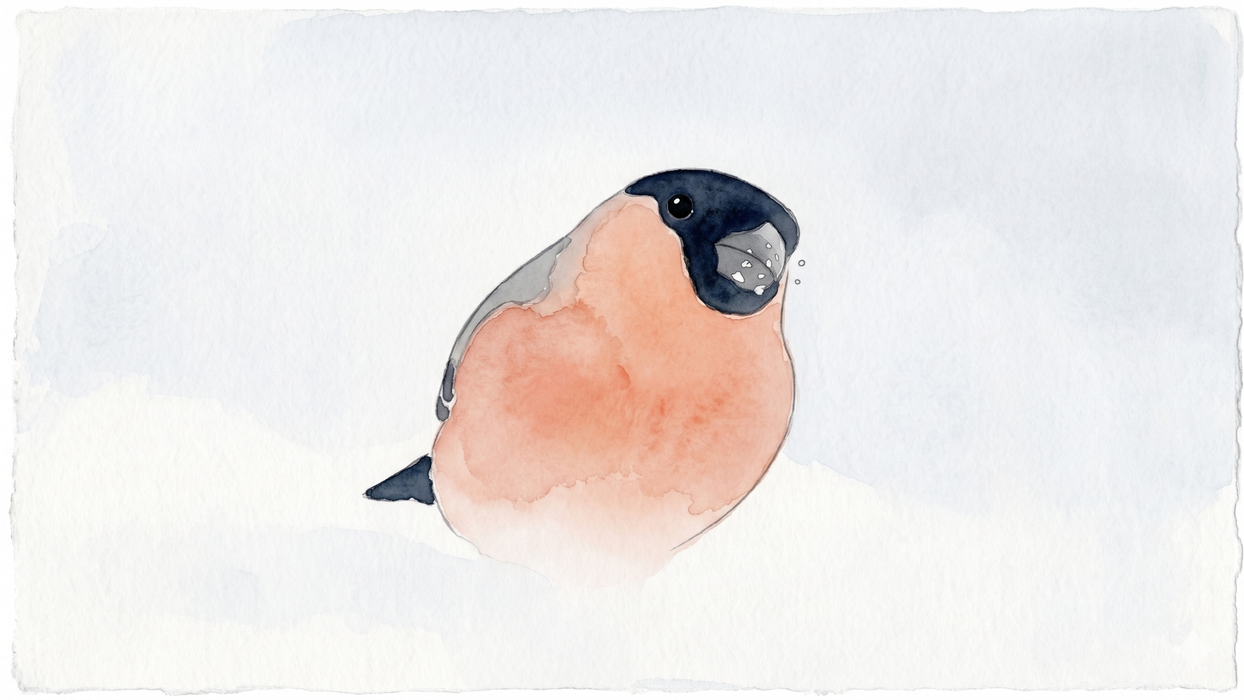
You're on a walk. You hear something in the trees you don't recognise. You pull out your phone, hold it up, and thirty seconds later you know exactly what it is: a bullfinch, calling from somewhere in the fog. You wouldn't have stopped for it before. Now you do.
That's a small moment. But small moments of connection with the natural world add up, and for neurodivergent learners managing the cognitive load of studying, they can make a real difference.
Nature and mental health
Time in nature reduces stress, lowers cortisol levels, and improves mood. That's well-established. What's less often said is why it works particularly well for neurodivergent brains.
Most of what drains a neurodivergent learner's energy involves social demand, sensory overload, or sustained executive function. Nature-based activities remove most of that. A walk, a sit in a park, time spent watching birds or identifying plants: these are low-demand, low-social-pressure activities that give your nervous system a genuine rest. The sensory input is usually restorative rather than overwhelming. Your attention can move freely without consequence.
This is different from the kind of rest that just means sitting with your phone scrolling. It's active enough to occupy your mind without taxing it.
Where technology comes in
Nature apps change the quality of time spent outside. They give you something to notice, something to look for, a small achievable task that keeps your attention engaged without draining it.
Merlin, developed by Cornell University, identifies birds by sound or appearance in real time. You open it, hold up your phone, and it tells you what's singing. iNaturalist lets you photograph plants, insects, fungi, and animals and identifies them instantly, logging each one to a global database of observations. Seek does the same with a live camera view, giving you an identification as you point.
These apps work for the same reason hobby-based engagement works generally. The motivation is intrinsic. You're doing something you find genuinely interesting, which means the barrier to starting is low and the reward is immediate. A meditation app requires effort and discipline to open. A bird app on a walk you were already taking requires neither.
A 2024 report by Hopelab and Common Sense Media found that more than half of young people aged 14 to 22 have used an app to support their mental health or wellbeing. What's telling is that the most effective tools weren't always the ones designed explicitly for mental health. Apps built around personal interests and hobbies consistently came up as meaningful sources of stress relief and restoration.
Small wins matter more than they seem
Part of what makes nature apps useful is that they generate a steady stream of small, concrete achievements. You identified something you'd never noticed before. You logged a new species. You heard a bird you can now name.
For neurodivergent learners whose academic progress can feel slow, invisible, or hard to measure, this kind of immediate feedback is genuinely useful. Your brain gets a clear signal that something was accomplished. That signal supports mood and motivation in ways that are disproportionate to how small the win actually was.
It also builds a habit of attention. Noticing things on a walk, pausing to identify them, returning to the same places across seasons: this is a form of mindfulness that doesn't require you to sit still or follow a guided script. It happens naturally, as a byproduct of something you're already doing.
Making it part of your routine
You don't need to build a separate nature practice. The most sustainable version of this fits inside what you're already doing.
Walk a different route to school or the shops and download Merlin before you go. Sit outside for ten minutes between study sessions with iNaturalist open. Give your brain something to notice that isn't a screen full of work.
The research on breaks is clear: recovery time improves the quality of the work that follows. A break that genuinely restores your attention is worth more than one that doesn't, and a walk with something to engage your curiosity is more restorative than most alternatives.
You don't need to live near woodland. Parks, canals, gardens, and urban streets all have more in them than they appear to. The app will find something wherever you are.